
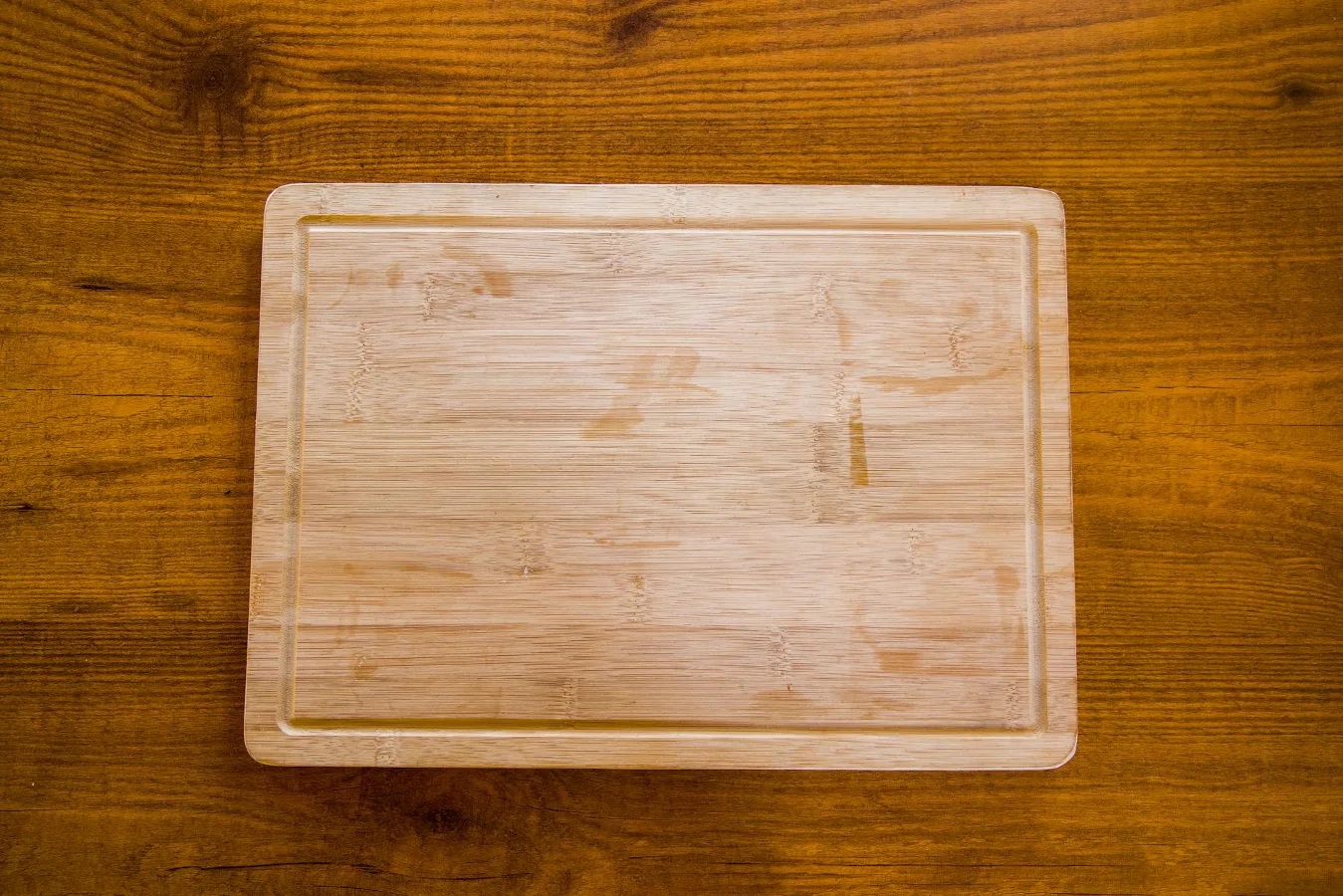
If you want a wooden cutting board that lasts, protects your knives, and fits the way you cook, the best woods are usually dense hardwoods with a closed grain. The most reliable choices are maple, walnut, and cherry, with teak sometimes chosen for its moisture resistance. The best option for you depends on whether you value durability, knife-friendliness, easier maintenance, or a specific look.
What makes a wood good for cutting boards?
A good cutting board wood has to do several jobs at once. It needs to be firm enough to resist deep knife marks, but not so hard that it feels punishing on your blades. It should also have a grain structure that does not soak up moisture too quickly, because water absorption leads to swelling, warping, and cracking over time.
That is why the best woods for cutting boards are usually hardwoods rather than softwoods. But “hardwood” alone is not enough. Some very hard woods can be rough on knives, while some attractive woods are too open-grained, resinous, or unstable for regular kitchen use. best cutting boards for home cooks offers more detail on this point.
Another overlooked point: a cutting board is not just about the species of wood. Grain orientation matters too. End grain boards and edge grain boards behave differently, even when they are made from the same wood. A great wood can still perform poorly if the board is built in a way that does not suit your kitchen habits. end grain vs edge grain boards offers more detail on this point.
The strongest all-around choices
Maple
Maple is one of the most trusted woods for cutting boards, especially in North American kitchens. It is dense, durable, and generally considered a practical everyday choice. It gives a clean, classic look and tends to work well for both edge grain and end grain construction.
Why maple stands out is its balance. It is hard enough to resist heavy use, but it is not so abrasive that it feels excessive on knives. For many buyers, that middle ground is exactly what they want in a main prep board.
Maple is often a strong option for busy households, meal prep cooks, and anyone looking for a straightforward board that does not demand special treatment. Its main limitation is that, like any wood, it still needs consistent drying and oiling. Neglect can lead to checking or warping.
Walnut
Walnut is another favorite because it combines good durability with a slightly softer feel than some very hard woods. It is often chosen for its rich color, but appearance should not be the only reason to buy it. Walnut is widely appreciated because it is gentle on knives and still substantial enough for regular kitchen work.
Compared with maple, walnut usually feels a little more premium and visually warm. It can be a smart choice if you want a board that looks refined on the counter or serving table while still functioning as a dependable prep surface.
The trade-off is that walnut can be more expensive than maple and may show scratches differently because of its dark color. That does not make it a worse material; it simply changes how wear appears over time.
Cherry
Cherry sits in a useful middle zone. It is attractive, stable, and comfortable to use for everyday slicing and chopping. Many people like it because it develops a deeper tone over time, which gives the board character without making it look overly formal.
Cherry is not usually chosen because it is the hardest wood available. Instead, it is selected for a combination of good workability, moderate density, and a kitchen-friendly feel. If you want a board that is practical but a little more decorative than plain maple, cherry is worth serious consideration.
The main caution with cherry is similar to other hardwoods: it still needs regular maintenance, and it is not a substitute for proper cleaning habits. A beautiful wood board can fail early if it is repeatedly soaked or left damp.
When teak makes sense
Teak is often mentioned in discussions about cutting board woods because it contains natural oils that can help it tolerate moisture better than some other species. That does not make it maintenance-free, but it does help explain why teak is sometimes used in humid environments or in kitchens where boards may be exposed to more frequent wiping and rinsing.
Teak can be a sensible choice if moisture resistance is high on your list. Still, it is not automatically the best answer for every shopper. Natural oils can make finishing and long-term care a little different from maple or walnut, and wood sourcing can matter more to some buyers when teak is involved.
If you like the look and are comfortable with the maintenance approach recommended by the manufacturer, teak can be a strong contender. If you want the most common, easy-to-match, easy-to-understand option, maple or walnut may be simpler picks.
Woods that are usually less ideal
Not every attractive wood belongs on a cutting board. Very soft woods dent too easily, while very open-grained woods can be more difficult to keep clean. Aromatic woods can also be a problem if their scent transfers to food. In general, that is why woods chosen for furniture or decorative woodworking are not always the best food-prep materials.
Exotic or highly figured woods may look impressive, but appearance can hide practical drawbacks. Some may move more with humidity changes, some may be harder on knives, and some may not be the best choice if you want a board with predictable long-term behavior.
A common misconception is that the hardest wood is automatically the best wood. For cutting boards, that is not true. A board that is too hard can be harsh on knife edges, while one that is too soft can develop deep grooves quickly. The sweet spot matters more than maximum hardness.
How grain style changes performance
Even after you choose the wood species, the construction style changes how the board feels and wears.
Edge grain
Edge grain boards are common and practical. They are usually more affordable than end grain boards and tend to be lighter. For many households, this is the most sensible format because it offers a good blend of durability and easy handling.
Edge grain boards are often a smart match for maple, walnut, and cherry. They can show knife marks more obviously than end grain boards, but they are still excellent everyday tools.
End grain
End grain boards are often prized for knife friendliness and visual character. The fibers stand more upright, which can make the surface feel kinder to blades and help hide cutting marks. These boards are usually thicker, heavier, and more maintenance-sensitive than simpler edge grain boards. choosing a knife-friendly cutting surface offers more detail on this point.
If you cook frequently and want a premium prep surface, end grain can be a great upgrade. The trade-off is cost, weight, and the need to keep moisture under control. End grain is not automatically better for everyone; it is better for cooks who appreciate its feel and are willing to care for it properly.
How to choose the best wood for your kitchen
The right choice depends less on trends and more on how the board will actually be used.
- Choose maple if you want a dependable all-purpose board that is widely used, durable, and straightforward to maintain.
- Choose walnut if you want a knife-friendly board with a richer appearance and do not mind paying more for it.
- Choose cherry if you want a balanced, attractive board that works well for everyday prep and display.
- Choose teak if moisture resistance is a major concern and you are comfortable with its specific care profile.
Think about whether the board will live on the counter or in a cabinet, how often you cook, and whether it will be used mostly for vegetables, bread, fruit, or full meal prep. A board that feels ideal for light slicing may not be the best choice for heavy chopping or repeated wet use.
Maintenance matters as much as material
Even the best woods for cutting boards can fail early if they are not cared for correctly. Wood and water do not get along when the exposure is constant or careless. A board should be cleaned promptly, dried fully, and stored in a way that allows air to circulate.
Regular conditioning with food-safe mineral oil or an appropriate board treatment helps slow moisture loss and can reduce the risk of cracking. The exact care routine depends on the board’s finish and the manufacturer’s instructions, but the general principle is the same: keep the wood from drying out unevenly.
Common mistakes include soaking the board, putting it in the dishwasher, using harsh cleaners indiscriminately, or ignoring deep knife grooves for too long. Once the surface becomes deeply worn or the wood starts to move unevenly, maintenance becomes more difficult.
Trade-offs to keep in mind
Shopping for a wooden cutting board is mostly about compromises. Harder woods tend to last better, but they can be less forgiving on knives. Softer-feeling woods may be easier on blades, but they can dent more quickly. Dark woods can look elegant, but scratches may stand out more. Light woods can look clean and classic, but stains may be more visible.
That is why the “best” wood is not universal. A home cook who mostly chops herbs and vegetables may value a different board than someone who breaks down squash, proteins, and dense root vegetables on a daily basis. The right material depends on your cooking style, not just on a list of rankings.
A practical buying guide, not a perfect ranking
If you want the shortest answer, maple is often the best all-around pick, walnut is the most popular premium alternative, and cherry is a strong middle ground. Teak can be a useful option in moisture-prone settings, but it is not the default answer for every kitchen.
From there, narrow the decision by asking a few practical questions: Do you want the board to double as a serving piece? Do you prioritize knife care or surface durability? Will the board be washed and dried immediately, or will it sit out in a busy sink area? Do you want a board you can leave on display without feeling like it is purely utilitarian?
If you answer those honestly, the choice usually becomes clear. The best wood for your cutting board is the one that fits your routine and that you are willing to maintain consistently. That is what gives a wooden board its real value over time.
Common mistakes buyers make
- Choosing by looks alone: attractive grain is nice, but stability and maintenance matter more.
- Assuming harder is always better: excessive hardness can be rough on knives.
- Ignoring grain construction: end grain and edge grain boards perform differently even in the same wood.
- Underestimating maintenance: every wood board needs routine care.
- Using the same board for every task: separate boards can make cleanup easier and reduce flavor transfer.
Which wood is best for most people?
For most home kitchens, maple is the safest recommendation because it offers the broadest balance of durability, value, and usability. If you want a more refined look and are willing to spend more, walnut is a strong upgrade. If you want a softer visual character and a practical everyday board, cherry is easy to like. And if moisture exposure is a recurring issue, teak deserves a closer look.
The best woods for cutting boards are not about hype. They are about how the board behaves in a real kitchen: how it handles moisture, how it feels under a knife, how much upkeep it needs, and how long it stays useful before it needs refinishing or replacement.