
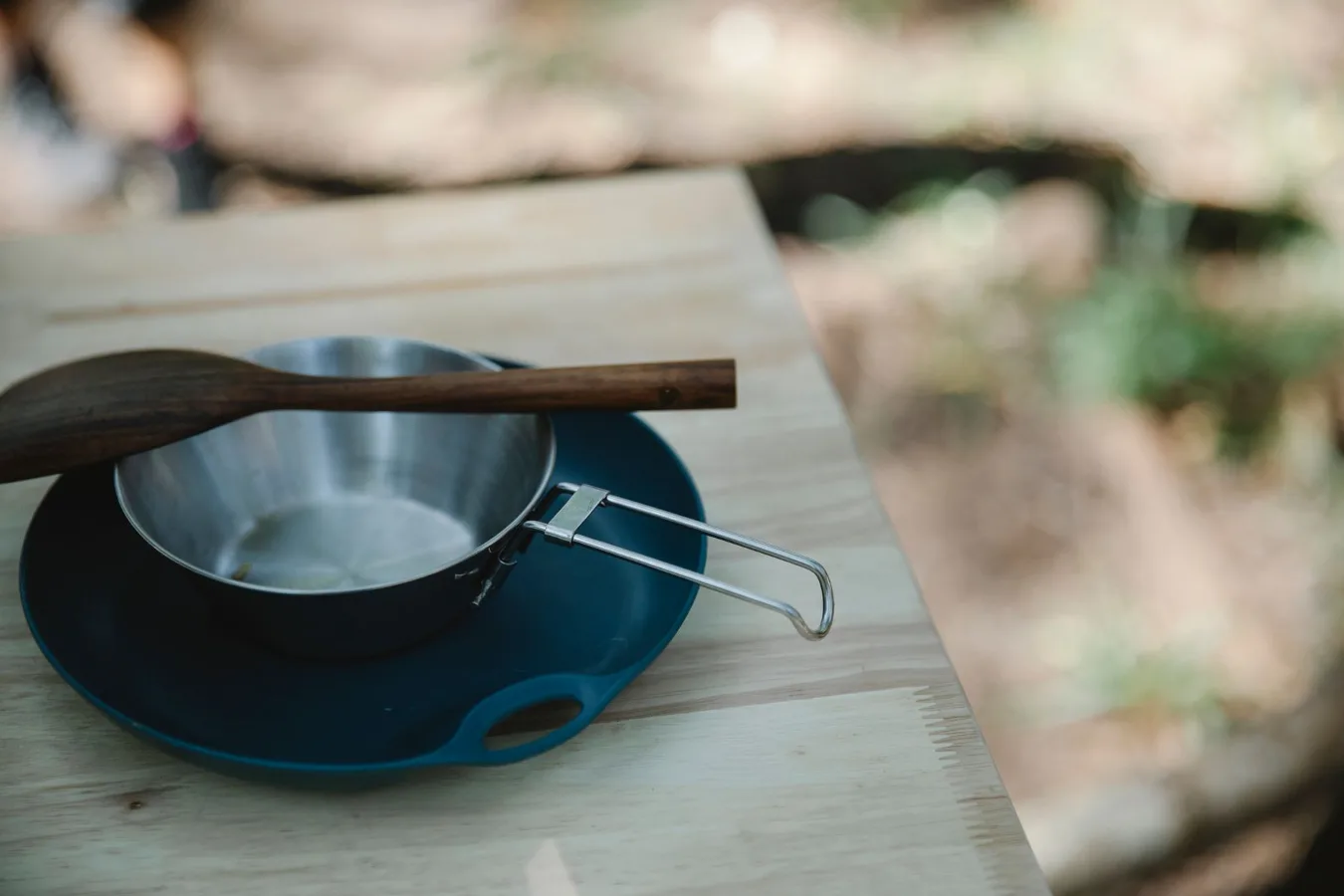
Carbon steel cookware sets are a smart choice for cooks who want the responsiveness of a skillet with the toughness of a workhorse pan. They heat quickly, handle high temperatures well, and can develop a naturally slick cooking surface with use and seasoning. For many kitchens, the best set is not the one with the most pieces, but the one that matches the stove, the meals you actually cook, and the amount of care you are willing to give it. 8 piece cookware set offers more detail on this point.
If you are comparing carbon steel cookware sets, focus first on fit: stove compatibility, piece sizes, handle comfort, and whether you want a simple skillet-focused set or a broader collection that includes pieces for sautéing, frying, or everyday stovetop cooking. The material itself has real strengths, but it also asks for some maintenance, especially if you want to avoid rust and preserve the cooking surface.
When carbon steel cookware sets make sense
Carbon steel sits in a useful middle ground between cast iron and stainless steel. It is usually lighter than cast iron, so it is easier to move, toss, and lift. It also reacts faster to temperature changes than cast iron, which helps when you want better control for sautéing vegetables, searing proteins, or cooking delicate foods that can go from browned to burned quickly.
These sets tend to make the most sense for people who cook often and want pans that can improve over time rather than wear out. They are especially appealing if you like the idea of seasoning a pan and building a cooking surface that becomes more nonstick with regular use. That said, they are not the least demanding option. If you want something you can soak, ignore, and leave wet on the rack, carbon steel is not the easiest route.
They are also a strong fit for kitchens that use high heat. Many home cooks choose them for searing, stir-frying, eggs after seasoning, and all-purpose stovetop work. If you need a pan for oven finishing, many carbon steel pieces can handle that as well, but the exact limit depends on the handle design, rivets, and maker instructions.
What to evaluate before buying
1. The piece mix you will actually use
A set only makes sense if the pieces match your habits. A smaller set with two useful skillets may be better than a larger assortment with specialty pans you rarely touch. Think about whether you need:
- one everyday skillet for eggs, vegetables, and reheating
- a larger pan for family-sized portions or proteins
- a sauté pan with higher sides for saucy dishes
- a wok-style shape for high-heat cooking
For many households, two well-sized skillets are more practical than a sprawling bundle. If you cook different portions for different days, a set with one smaller and one larger pan often covers more ground than an oversized, cluttered collection.
2. Stove compatibility
This is one of the most overlooked buying filters. Carbon steel is generally a strong candidate for gas, electric, and induction cooking, but not every set behaves the same way. Flat bottoms matter, especially on induction and glass-top ranges. If the pan does not sit evenly, heat transfer suffers and the pan can feel less stable during stirring or flipping.
If you cook on induction, check for a flat base and sufficient magnetic responsiveness from the pan’s construction. If you use gas, a slightly rounded or beveled shape may still work well, but a pan that is too narrow or too warped can become frustrating on a grate. On glass tops, flat contact matters even more because uneven bottoms can reduce efficiency and risk scratching if the cookware is rough or damaged.
3. Weight and handling
Carbon steel is known for being lighter than cast iron, but sets still vary. Weight affects more than comfort; it also influences how easily you can move the pan from burner to oven, tilt it to baste, or hold it steady while tossing ingredients. If you cook often with one hand or have limited wrist strength, handle shape and total balance deserve close attention.
Look for a set with handles that feel secure, not just attractive. A long handle should give enough leverage to maneuver a hot pan without feeling top-heavy. Smaller helper handles can be useful on larger pieces, but they should not be the only way to manage the pan when it is full.
4. Seasoning requirements
Seasoning is part of the carbon steel experience. It is the process that helps build a protective, darker surface and can improve release over time. Some pans arrive pre-seasoned, which can save initial setup time, but pre-seasoned does not mean maintenance-free. You still need to cook with care, dry the pan promptly, and avoid habits that strip the surface too aggressively.
If you do not want to think about seasoning at all, carbon steel may not be your best match. If you are comfortable with a small learning curve, it can be rewarding. The practical question is not whether seasoning is hard, but whether you are willing to keep up with it. learn more about maple cutting board offers more detail on this point.
5. Surface finish and maintenance tolerance
Some buyers want a pan that looks refined and stays that way with minimal effort. Carbon steel is better judged by performance than appearance. It can discolor, darken, and pick up marks as it seasons. That is normal. In fact, that patina is part of its appeal. Still, if you prefer a spotless pan that always looks new, carbon steel may feel less satisfying than stainless steel or quality nonstick.
Maintenance also matters if your kitchen routine includes dishwashing everything together and air-drying it later. Carbon steel needs prompt drying and a light oiling routine when appropriate. The exact care steps vary by manufacturer, but the broad principle is consistent: do not leave moisture sitting on the surface.
How to compare sets without getting distracted
A polished product page can make every set seem equally capable, but a few practical checks usually separate the better options from the merely attractive ones.
Cooking performance factors
- Heat responsiveness: Helpful for fast adjustments during searing and sautéing.
- Heat retention: Useful for maintaining temperature once the pan is hot, especially for browning.
- Surface development: A well-seasoned pan can become more forgiving with use.
- Rim shape: A thoughtful rim helps with pouring and reduces drips.
One common misconception is that a carbon steel pan should behave like a nonstick pan from day one. That is not the right expectation. Even a seasoned surface benefits from proper preheating, adequate fat, and patience. Treat it like a responsive cooking tool, not a magic coating.
Durability and long-term value
Carbon steel is often valued for longevity, but longevity depends on care. A set that lasts well usually has a practical finish, solid rivets or fasteners, and a thickness that feels sturdy without being awkwardly heavy. Overly thin pans may heat quickly but can feel less stable. Overly thick pans can become sluggish and less pleasant for quick tasks. The goal is balance.
Long-term value also includes how often you will use the set. A less expensive set that matches your routine can be a better value than a premium bundle with pieces that sit untouched in the cabinet. Think about daily usefulness first, then extras.
Cleaning and storage realities
Carbon steel asks for dry storage. If your kitchen setup tends to be crowded, stacked, or humid, that matters. A pan stored while slightly damp can develop rust spots, especially around rivets, rims, or handle junctions. If you share a kitchen, the best set is often the one with simple care instructions that everyone can follow.
If you do not have much cabinet space, nested pieces can be attractive, but ensure they do not scratch each other. Pan protectors, cloths, or careful spacing help preserve the seasoning and reduce damage.
Set types and who they suit
Not all carbon steel cookware sets serve the same buyer. The right format depends on how you cook.
Skillet-focused sets
These are best for most home cooks. A two- or three-pan skillet set usually covers breakfast, vegetables, searing, and simple dinners. This format is often the easiest starting point because skillets are versatile and easier to manage than specialty shapes.
Sauté and skillet combinations
If you cook one-pan meals, braises, or saucy dishes, a mix that includes a higher-sided sauté pan can be more useful than a second shallow skillet. The deeper profile helps contain splatter and gives more room for ingredients.
Specialty high-heat sets
Some sets lean into stir-fry or professional-style cooking. These can be great if your menu includes quick-cooked vegetables, noodles, or proteins that benefit from high heat and fast movement. The trade-off is that they may be less versatile for low-sided tasks like easy egg flips or shallow pan sauces.
Examples of buyer profiles
If you cook breakfast and simple dinners most days: Choose a compact set with one medium skillet and one larger pan. This gives you practical coverage without unnecessary pieces.
If you use induction: Prioritize flat-bottom pieces and clear manufacturer guidance on compatibility. Shape and contact matter more than a stylish profile.
If you want less upkeep: Carbon steel may still work for you, but only if you are comfortable drying and oiling the pans consistently. Otherwise, stainless steel may be the better long-term fit.
If you want a pan that improves with use: Carbon steel is a strong candidate. The surface can become easier to cook on as seasoning builds, provided you maintain it properly.
If you cook acidic foods often: Carbon steel can handle many everyday tasks, but long simmering with acidic ingredients may challenge the seasoning. For those meals, stainless steel may be the more forgiving option.
Common mistakes shoppers make
- Buying too many pieces: Extra pans look convenient but often add storage problems and decision fatigue.
- Ignoring stove type: A set that does not sit flat or heat evenly on your cooktop becomes annoying quickly.
- Expecting nonstick performance immediately: Seasoning takes use and care, not just a one-time wipe-down.
- Choosing style over handle comfort: A beautiful pan that is awkward to lift will get used less.
- Underestimating maintenance: Carbon steel rewards consistency and punishes neglect.
A practical checklist before you buy
- Do the pan sizes match the meals you cook most often?
- Will the set work on your stove type, especially if you use induction or glass top?
- Are the pans comfortable to lift, tilt, and store?
- Does the set include pieces you will use weekly, not just occasionally?
- Are you comfortable seasoning and drying the pans after use?
- Do the handles and rivets seem sturdy and easy to clean?
- Is the finish likely to fit your tolerance for patina and visible wear?
How carbon steel compares with common alternatives
Compared with cast iron: carbon steel is usually easier to move and quicker to respond to heat changes. Cast iron often holds heat longer, which can be useful for some cooking styles, but it is heavier and less nimble.
Compared with stainless steel: carbon steel can offer a more naturally improving cooking surface and better high-heat responsiveness, while stainless steel is generally lower maintenance and less sensitive to moisture.
Compared with nonstick: carbon steel does not give effortless release on day one, but it is often more durable and better suited to higher heat. Nonstick is simpler for quick cleanup, but the coating can limit heat and longevity.
Choosing the right set for your kitchen
The best carbon steel cookware set is the one that fits your routine without asking you to reorganize your cooking habits around it. Start with the type of meals you make, the stove you use, and how much care you are realistically willing to give the pans. If those pieces line up, carbon steel can be one of the most satisfying cookware materials to own. how to choose cookware by stove type offers more detail on this point.
For many shoppers, the sweet spot is a compact set with a couple of useful sizes, a flat and stable base, and a handle design that feels secure in hand. That combination gives you the material’s strengths without paying for pieces that create clutter or complicate maintenance.
If you want cookware that can serve as a dependable everyday tool rather than a short-term convenience item, carbon steel deserves a close look. The trade-off is simple: a little more care in exchange for a pan set that can become more capable the longer you use it.