
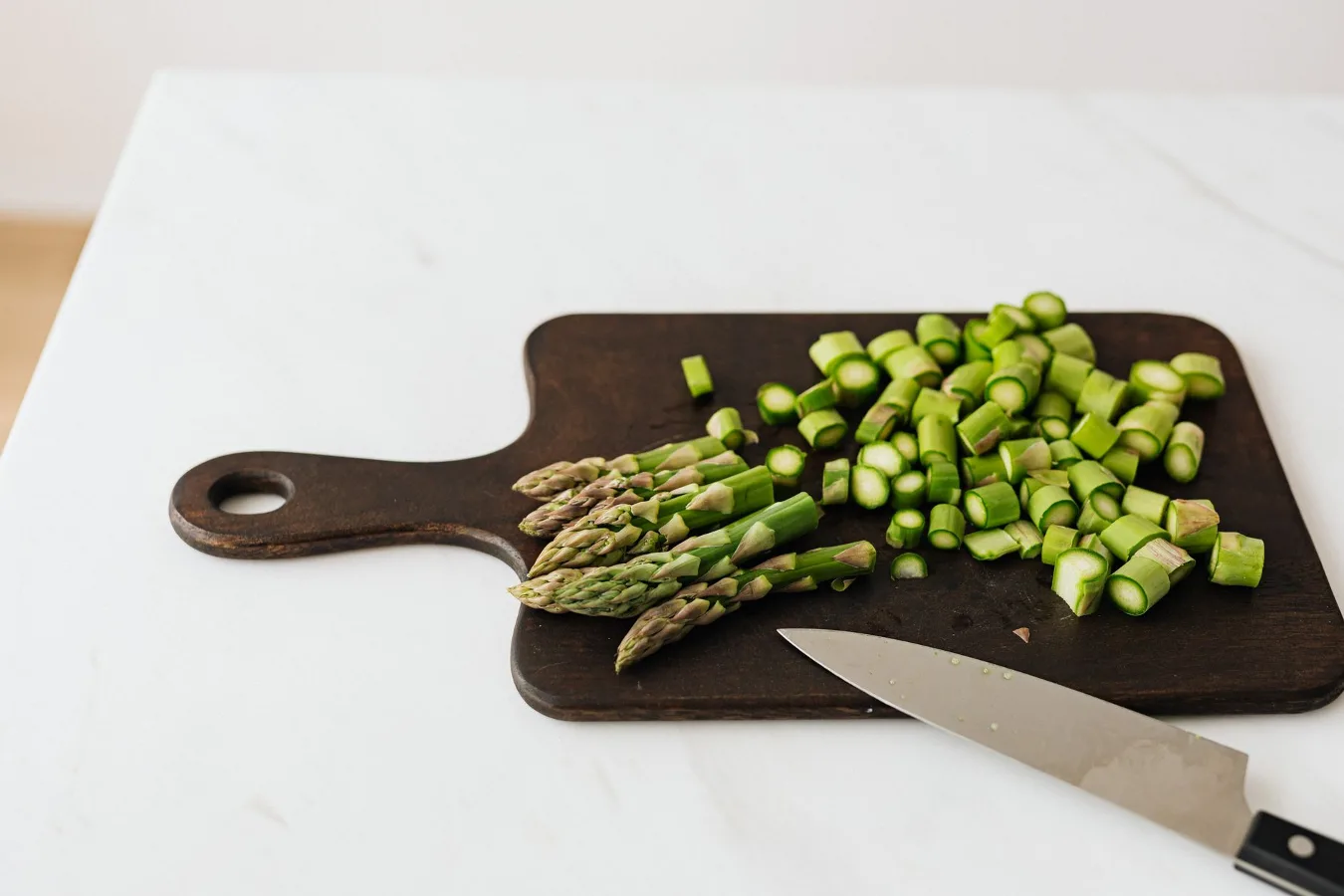
What a hinoki cutting board is best for
A hinoki cutting board is usually chosen for its lightweight feel, pleasant natural scent, and softer cutting surface. Hinoki is Japanese cypress, a wood valued in kitchen tools because it is generally comfortable to work on and gentle on knife edges compared with harder surfaces. edge grain cutting board offers more detail on this point.
For many home cooks, the appeal is practical rather than decorative. A hinoki board can make prep feel quieter and more controlled, especially for produce, herbs, tofu, and other ingredients that benefit from a smooth, forgiving surface. It is less about rugged all-purpose abuse and more about a careful, kitchen-friendly workflow.
The trade-off is that hinoki is not the right board for every task. If you want something that can handle frequent heavy chopping, wet ingredients without much supervision, or a fully dishwasher-safe option, another material may suit you better. That is the central decision with hinoki: you are choosing comfort and knife-friendliness, but you are also accepting more care.
The key factors that matter before you buy
Wood feel and knife friendliness
One of the main reasons people look for hinoki is the cutting feel. Compared with glass, stone, or very hard woods, hinoki is typically described as softer under the blade. That can make slicing and chopping feel smoother and may reduce the harsh impact some cooks notice on their knives.
This does not mean the board should feel spongy or unstable. A good cutting board still needs enough firmness to support clean cuts. The goal is a balanced surface: soft enough to be comfortable, solid enough to stay useful.
Size and kitchen workflow
Size matters more than many buyers expect. A board that is too small can make prep messy because ingredients crowd the blade. A board that is too large may be awkward to store or wash, especially in a compact kitchen.
Think about how you cook. If you usually chop one onion, a few herbs, or a fruit for breakfast, a smaller board may be enough. If you batch-prep vegetables, work with several ingredients at once, or cook full meals from scratch, a larger surface can feel far more efficient. best cutting board sizes for meal prep offers more detail on this point.
Thickness and stability
Thickness affects both feel and practicality. A thinner hinoki board is easier to move, dry, and store, but it may feel less planted on the counter. A thicker board can feel more stable and substantial, though it may take longer to dry and occupy more storage space.
Stability is especially important if you use a smooth countertop. Any board that shifts while you cut becomes irritating and less safe. Before choosing a board, consider whether your kitchen setup gives you enough space for a board that does not need to be moved constantly.
Moisture sensitivity and maintenance commitment
Hinoki, like other woods, needs thoughtful care. That usually means cleaning it promptly, drying it well, and avoiding long soaks. Wood boards do not belong in the dishwasher, and they should not be left wet in the sink.
This is the overlooked factor for many buyers: the board itself may look simple, but the real question is whether your routine supports the care it requires. If you are the type to cook quickly and clean as you go, hinoki can fit in nicely. If your kitchen cleanup tends to happen later, a lower-maintenance material might be a better match.
Grain, finish, and overall construction
Not every board marketed as hinoki is built the same way. Grain direction, edge treatment, smoothness, and joinery all affect how the board feels and ages. A well-made board should feel finished rather than rough, with edges that do not splinter easily and a surface that is smooth enough for food prep without being slippery.
Also consider whether the board is meant to be a statement piece or a working tool. Some buyers want a beautiful board for serving cheese or sliced fruit. Others want a daily prep surface that can live near the sink. The right choice depends on whether appearance or utility comes first.
Benefits that make hinoki appealing
- Gentler cutting surface: often preferred by cooks who want a board that feels kinder to knives.
- Lightweight handling: easier to lift, reposition, and dry than many heavier wood boards.
- Quiet use: the cutting experience can feel less harsh than harder materials.
- Natural character: the grain and scent appeal to people who like traditional kitchen materials.
- Good for delicate prep: well suited to herbs, vegetables, fruit, and other everyday ingredients.
These advantages explain why hinoki has a loyal following. It tends to feel more refined than utilitarian, but that refinement can support everyday cooking if you choose the right size and accept the maintenance.
Where hinoki can fall short
The biggest drawback is care sensitivity. Wood boards need regular drying and sensible cleaning habits. If neglected, any wooden board can warp, crack, or develop rough spots over time. Hinoki is not an exception.
Another limitation is durability under rough treatment. If your kitchen routine involves cleavers, very heavy chopping, or frequent exposure to a lot of liquid, you may prefer a more robust board designed for harder use. Hinoki is better thought of as a careful prep board than a punishment-resistant workhorse.
There is also a practical misconception worth correcting: a premium-looking wood board is not automatically the best all-around board. Beautiful wood can be a poor fit if it is too small, too smooth, too delicate, or simply inconvenient for your cooking style. The best board is the one that matches how you actually prep food.
How to choose the right hinoki cutting board
Match the board to your ingredients
For vegetables, fruit, herbs, tofu, and sandwiches, hinoki can be an excellent everyday surface. If your prep is mostly light to moderate, the board’s gentle feel becomes a genuine advantage.
If you often handle raw meat or very wet ingredients, think about how you will manage cleanup and cross-contamination. Some cooks keep separate boards for different tasks. In that setup, hinoki may work well as a dedicated produce or serving board while another material handles heavier jobs.
Choose a shape that fits your counter space
Rectangular boards are the most versatile, but the dimensions should still fit your sink, drying area, and storage space. A board that barely fits on the counter will become frustrating to use.
If you cook in a smaller kitchen, a medium board that is easy to lift may be more practical than an oversized one. If you have room and cook in larger batches, consider whether the extra workspace will genuinely improve your prep routine.
Look for smooth finishing without excessive slickness
A good board should feel polished enough to use comfortably but not so glossy that it becomes slippery. You want enough texture to keep ingredients in place without making the surface rough on knives or difficult to clean.
Examine how the edges are finished as well. Rounded or neatly eased edges can make a board feel more refined and comfortable in daily use.
Think about storage before aesthetics
It is easy to be drawn to a beautiful piece of wood, but storage matters more than looks once the board enters your routine. You need a spot where air can circulate around it after washing. A board that is always tucked into a damp cabinet or laid flat while still wet is more likely to have problems.
If you have a dedicated rack or enough upright storage space, a hinoki board is easier to live with. If not, you may find yourself choosing convenience over appearance more often than expected.
How it compares with other common board materials
| Material | Best for | Main trade-off |
|---|---|---|
| Hinoki | Gentle prep, knife-friendly cutting, lighter handling | Needs more care and moisture management |
| Hardwood | Heavier-duty daily use and more substantial feel | Often heavier and can feel firmer under the blade |
| Plastic | Low-maintenance cleanup and separate raw-food use | Can develop deep cut marks and a less refined feel |
| Bamboo | Lightweight, tidy-looking kitchen use | May feel harder and less forgiving to knives |
This comparison is less about which board is universally better and more about which compromise you prefer. Hinoki sits in a sweet spot for cooks who value a traditional wood feel and easier handling, but it is not the most carefree option.
Common mistakes to avoid
- Buying too small: a cramped board slows prep and makes the knife work less controlled.
- Leaving it wet: standing water and long soak times are a poor match for wood.
- Using the wrong cleaner: aggressive scrubbing and harsh treatment can damage the surface.
- Expecting dishwasher convenience: wood boards are meant for hand care.
- Choosing for looks alone: a beautiful board that does not fit your routine becomes clutter.
- Using one board for everything without a plan: separate prep tasks may call for separate surfaces.
Another subtle mistake is treating the board as disposable until it shows obvious wear. Small habits, like drying it promptly and storing it somewhere airy, matter more than occasional deep cleaning.
Practical care and maintenance
Routine care is straightforward, but consistency matters. After use, clean the board gently, remove food residue, and dry it thoroughly. Let it air out before putting it away. If your kitchen is humid, that drying step becomes even more important.
For many wooden boards, regular maintenance is less about complicated products and more about avoiding bad habits. Do not leave the board soaking. Do not trap moisture against it. Do not assume that one cleaning session will offset neglect later.
If a board begins to feel rough, you may be able to restore some smoothness with proper care or light resurfacing, depending on the board’s construction and condition. But the best approach is prevention. Good moisture habits extend the life of any wood cutting board far more effectively than rescue work after the fact. wood cutting board care tips offers more detail on this point.
Who should choose hinoki, and who should skip it
Hinoki makes sense for cooks who want a lighter, calmer, wood-based cutting experience and are willing to give the board some attention. It is especially appealing if you enjoy Japanese kitchen tools, prep delicate ingredients often, or want a board that feels pleasant enough for daily use without being overly heavy.
You may want to skip it if you need a low-maintenance board, wash everything in the dishwasher, or do a lot of messy, high-volume prep. In those cases, practicality may matter more than the unique feel of hinoki.
The best way to decide is to picture a normal week in your kitchen, not a perfect one. If the board will be used often, cleaned promptly, and stored well, hinoki can be a rewarding choice. If your routine is more demanding or less organized, another material may deliver better long-term value simply because it asks less of you.
For a commercial-intent search, that is the real question behind the phrase “hinoki cutting board”: not whether it is special, but whether it is the right tool for your cooking habits, cleaning style, and storage space.