
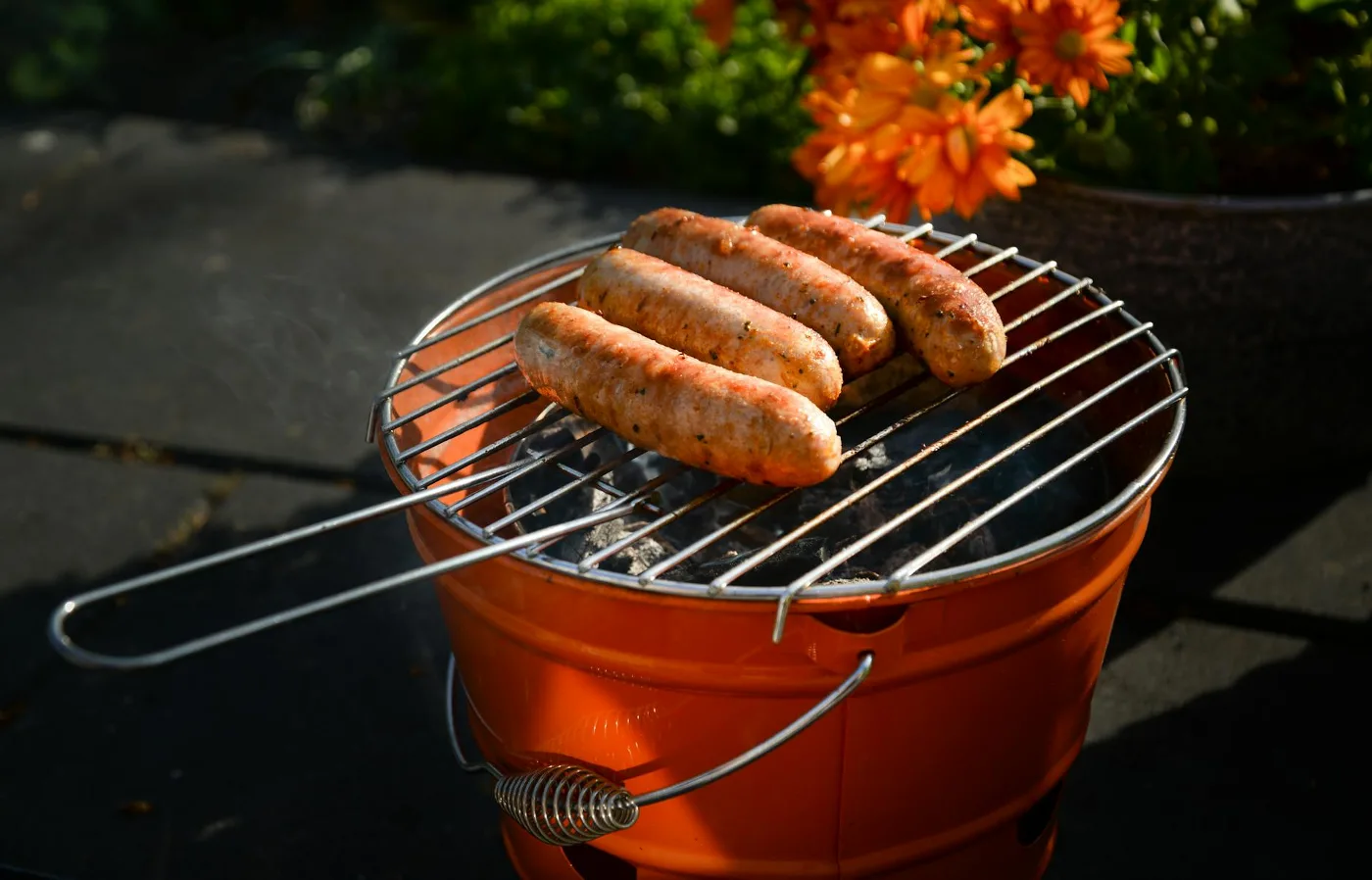
A portable hibachi BBQ grill is a compact charcoal grill designed for cooks who want direct heat, simple setup, and easy transport. It is a strong fit for small patios, camping trips, tailgates, and casual outdoor meals where a full-size grill would be unnecessary or inconvenient. camping grill buying tips offers more detail on this point. water tank for pressure washer offers more detail on this point. best grilling setups for patios offers more detail on this point.
The best portable hibachi grill is not just the smallest one you can find. The right choice depends on how you plan to use it, how much food you need to cook, how easy it is to move, and how much cleanup you are willing to handle afterward.
What a portable hibachi BBQ grill is best for
A hibachi grill is typically a low-profile charcoal grill with a small cooking grate and focused heat. That design makes it well suited to quick grilling sessions, especially when you want direct searing over charcoal rather than the broader, indirect cooking space of a large kettle or gas grill.
People usually look for a portable hibachi BBQ grill for one of a few reasons:
- Small outdoor spaces: It can work where a full-size grill would feel oversized.
- Transportability: It is easier to carry to a campsite, picnic area, or tailgate.
- Simple cooking: The format suits burgers, skewers, vegetables, thin cuts of meat, and other fast-cooking foods.
- Focused charcoal flavor: Many buyers want the direct heat and aroma that charcoal grilling provides.
That same simplicity is also its limitation. A portable hibachi grill is not the best choice if you regularly cook for a crowd, need temperature zones, or want to roast larger cuts of meat slowly. It is a specialized tool, not a universal grill replacement.
The key factors that matter most
Size and cooking surface
The most important decision is whether the grill gives you enough usable cooking space for your typical meal. Compact grills are appealing because they are easy to move, but a very small grate can become frustrating if you need to cook several items at once. If you often prepare food for more than one or two people, think about how many burgers, skewers, or vegetables can fit without crowding.
Cook surface shape matters too. Some hibachi grills feel better for individual portions and skewers, while others are better suited to flat items like patties or sliced vegetables. A grill that is easy to carry but awkward to load can become less useful than a slightly larger model with a more practical layout.
Materials and build quality
Portable hibachi grills are commonly made from steel, cast iron, or a combination of metal components. Each material brings different trade-offs. Cast iron usually offers excellent heat retention, which can help with steady cooking, but it is heavier and often requires more care to prevent rust. Steel is often lighter and easier to move, but build quality matters because thinner metal may lose heat more quickly and may not feel as durable over time.
Look closely at the overall construction rather than just the material label. A well-made steel grill can be more useful than a heavier grill that feels unstable, difficult to clean, or poorly finished. Handles, vents, legs, and grate support all influence how the grill performs in real use.
Airflow and heat control
With a charcoal grill, airflow is one of the main controls you have. Vents, grate height, and the spacing inside the firebox all affect how hot the grill gets and how consistently it holds temperature. A portable hibachi BBQ grill does not usually offer the same level of control as a larger charcoal cooker, so the design of the air vents becomes especially important.
For buyers, the practical question is simple: can you adjust the fire enough to avoid scorching delicate foods while still getting enough heat for searing? If the answer seems unclear from the product design, that is a signal to keep looking. A grill that runs too hot without a way to manage airflow can be more frustrating than useful.
Weight and portability
“Portable” can mean different things. Some hibachi grills are truly easy to carry with one hand, while others are technically movable but still awkward because of their weight or shape. If you plan to take the grill on trips, check whether its size and construction make sense for your actual transport setup.
This matters more than many buyers expect. A grill that fits neatly on a porch shelf might still be too bulky for a trunk, a campsite table, or a packed gear bin. Portability is not just about being small; it is about being realistic to carry, store, and set up without effort.
Cleaning and maintenance
Portable charcoal grills tend to be simpler than larger grills, but cleanup still matters. Ash removal, grate scrubbing, and rust prevention should all be part of your decision. If the grill has a shallow firebox or awkward internal corners, ash can build up quickly and make cleanup more annoying than expected.
Choose a grill you can reasonably maintain. A model that is easy to empty, wipe down, and dry will usually be more satisfying over time than one that looks attractive but creates maintenance friction after every cook.
Choosing the right portable hibachi grill for your use case
For patios and balconies
If you are using a grill in a small outdoor area, prioritize stable construction, manageable heat, and a size that does not dominate the space. Safety and smoke control matter here as much as cooking performance. A compact hibachi can be a good fit, but only if local rules allow charcoal grilling in your setting and you have a safe surface and clear airflow around the unit.
In small spaces, a lighter grill can be easier to move, but it should still feel steady when loaded with charcoal and food. A very lightweight design that shifts easily is not ideal on a narrow patio table or uneven outdoor surface.
For camping and travel
For camping, the priorities shift toward transportability, quick setup, and low-maintenance cooking. The ideal grill is compact enough to pack without sacrificing too much cooking surface. A simple design can be an advantage because fewer moving parts usually mean fewer things to lose or break on the road.
There is also a practical nuance here: campsite cooking often works best with foods that tolerate direct heat and short cooking times. If your menu includes mostly burgers, sausages, skewers, or vegetables, a portable hibachi grill can be a good match. If you want to roast, bake, or smoke, you may need a different grill style.
For tailgating and casual gatherings
Tailgating usually favors grills that are easy to transport, quick to light, and simple to manage without a lot of setup time. A portable hibachi BBQ grill can fit this need well, especially for smaller groups. The main limitation is cooking capacity, so it works best when your food list is short and straightforward.
For social cooking, convenience often matters more than precision. A grill that lights predictably, holds enough charcoal for a modest session, and cleans up without hassle is often a better choice than one with more advanced features that slow you down.
Common trade-offs buyers should expect
Portable hibachi grills are appealing because they are simple, but that simplicity comes with trade-offs that are easy to overlook during shopping.
- Less cooking flexibility: Most are built for direct grilling, not multi-zone cooking.
- Smaller capacity: They are not ideal for large groups or big meal prep.
- More attention required: Charcoal heat can be less forgiving than gas.
- Greater surface care: Some materials need drying and seasoning to reduce rust risk.
- Limited wind protection: Small grills can be affected by outdoor conditions more quickly than larger ones.
These are not flaws so much as realities of the format. A good decision comes from matching the grill to the job rather than expecting a compact hibachi to behave like a full outdoor kitchen.
Practical setup and safety considerations
Because a portable hibachi BBQ grill runs on charcoal, the setup environment matters. Use it only in a well-ventilated outdoor area, on a stable, heat-safe surface, and away from anything flammable. Small grills can still produce high heat and hot ash, so a compact footprint should never be mistaken for low risk.
Another overlooked detail is how you handle the grill after cooking. Even a small hibachi can stay hot for a long time. Plan for a safe cooldown area, a way to dispose of ash responsibly, and a storage spot that will not trap moisture if the grill is made from cast iron or unfinished steel.
If you live in a humid region or store the grill outdoors, rust prevention becomes a practical concern rather than a minor detail. Drying the grill thoroughly and keeping it protected from weather can make a meaningful difference in long-term value.
What many shoppers get wrong
One common mistake is focusing only on appearance. A traditional-looking hibachi can be attractive, but visual style does not guarantee useful airflow, sturdy construction, or manageable cleanup. Another mistake is buying the smallest model available without thinking about how much food it can actually hold.
It is also easy to underestimate charcoal management. A portable grill may seem straightforward, yet the fire can run hotter or less evenly than expected if the charcoal layout, venting, and grate height are not practical. For beginners, a simpler design is often helpful, but only if it still gives enough room to control the cooking process.
Finally, some buyers assume portability automatically means convenience. That is not always true. A grill that is light but unstable, hard to clean, or too small for the intended use can become inconvenient very quickly.
Portable hibachi BBQ grill or another small grill?
If you are deciding between a portable hibachi BBQ grill and another compact outdoor cooker, think about the style of cooking you prefer.
- Choose a hibachi grill if you want direct charcoal heat, a compact footprint, and a simple cooking tool for smaller meals.
- Choose a tabletop charcoal grill if you want a similar experience but may prefer a different layout or slightly more flexibility.
- Choose a small gas grill if easy ignition and simpler temperature management matter more than charcoal flavor.
- Choose a larger kettle grill if you need more room, more versatility, or the ability to cook with both direct and indirect heat.
The right option depends less on brand style and more on how often you cook, how many people you feed, and whether you value compactness over versatility.
How to narrow the choice quickly
If you want a straightforward way to decide, ask these questions:
- Will I use it mostly at home, or do I need to carry it often?
- Do I usually cook for one or two people, or for a group?
- Am I comfortable managing charcoal and cleanup after each use?
- Do I need a grill for quick searing, or do I want broader cooking flexibility?
- Will the grill be stored in a dry, protected place?
If your answers point toward compact, direct-heat cooking and manageable maintenance, a portable hibachi BBQ grill is likely a good fit. If you need more control, more space, or less hands-on fire management, another grill style may serve you better.
A sensible buying approach
The best portable hibachi grill is the one that fits your routine without creating unnecessary friction. Look for sturdy construction, a cooking surface that matches your usual meals, airflow you can realistically manage, and a design that is easy to clean and store.
If you treat it as a focused tool rather than an all-purpose grill, a portable hibachi can be a very practical outdoor cooking option. It works best for people who value compact size, charcoal flavor, and uncomplicated meals more than large-capacity versatility.
For many garden and outdoor cooking setups, that balance is exactly the appeal.