
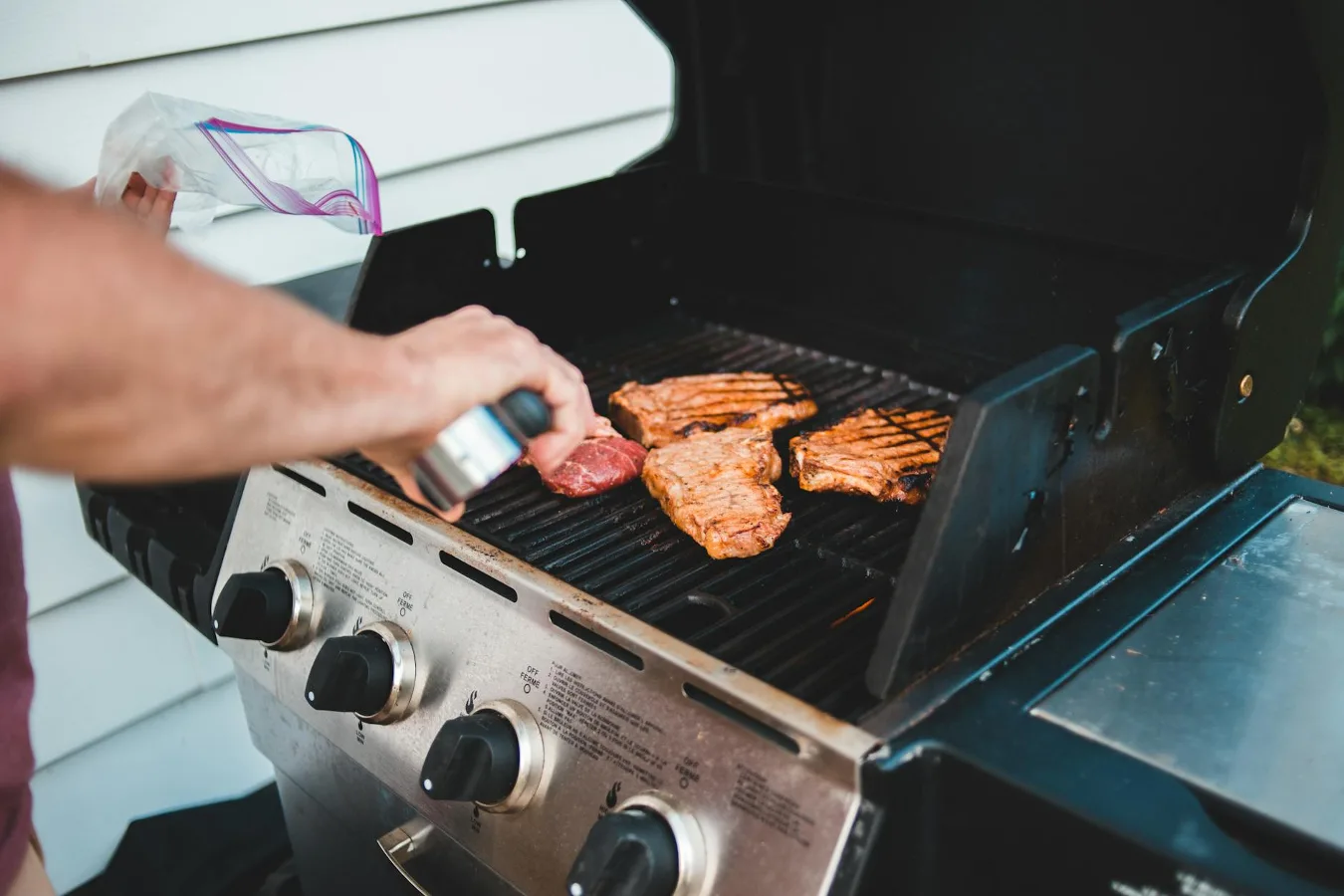
Who a 4 Burner Gas BBQ Grill Makes Sense For
A 4 burner gas BBQ grill is usually the right choice for households that want enough cooking space for family meals, weekend gatherings, and mixed foods without jumping to a very large built-in setup. It sits in a practical middle zone: larger than a compact two- or three-burner grill, but still manageable for a standard patio or backyard. gas regulator for bbq grill offers more detail on this point. Rotisserie for BBQ Grills: A Practical Guide offers more detail on this point.
This category suits cooks who want flexibility more than specialty features. Four burners make it easier to create different heat zones, which matters when you are searing burgers on one side, finishing chicken on another, and keeping vegetables warm in a cooler area. That flexibility is one of the biggest reasons people look at this size in the first place.
It is also worth saying what this grill size is not best for. If you cook only for one or two people, a 4 burner model may feel unnecessarily large. If you grill only a few times a year, the added surface area and cleaning time may outweigh the convenience. The right choice depends less on prestige and more on how you actually cook outdoors.
The Practical Trade-Offs to Consider First
The main advantage of a 4 burner gas BBQ grill is control. More burners usually mean more options for arranging food, managing flare-ups, and working with different temperatures at the same time. That can make a real difference for foods that cook at uneven rates, such as bone-in chicken, thicker cuts of meat, or skewers that need turning and repositioning.
The trade-off is that more grill often means more responsibility. A larger cooking area usually takes longer to preheat, uses more fuel, and requires more cleaning after use. It can also demand more patio space than shoppers expect. A grill that looks reasonable in a store can feel oversized once it is placed near a wall, table, or storage path.
Another practical compromise is cost versus features. Many 4 burner grills include conveniences such as side shelves, a warming rack, electronic ignition, or a side burner. Those features can be useful, but they should not distract from the basics: even heating, sturdy construction, easy cleanup, and a layout that matches your cooking style.
Material and Build Factors That Matter Most
For this type of grill, materials often tell you more about long-term satisfaction than the brand name alone. The lid, firebox, grates, burners, grease system, and cart all influence how well the grill holds up and how pleasant it is to use.
Grill body and lid
Look for a body and lid that feel solid and stable rather than thin or flexible. A heavier lid can help retain heat more consistently, which matters when you are cooking with the lid closed. Lightweight construction is not automatically bad, but it may be less forgiving in windy or variable weather.
Exterior finishes also affect maintenance. Some surfaces are easier to wipe clean than others, but any outdoor grill will need some upkeep if you want it to last. If the grill will stay outside year-round, weather resistance becomes especially important.
Burners and heat control
The burners are the heart of the grill. With a 4 burner gas BBQ grill, burner placement should support usable heat zones rather than simply adding more flames. Even heat across the grate is often more valuable than raw output on paper.
People sometimes focus too much on burner count and overlook controllability. A grill with uneven burners can create hot spots that burn delicate food and leave other areas undercooked. Good knob response, clear flame adjustment, and a sensible layout matter for everyday use.
Cooking grates
Grate material affects searing, cleaning, and long-term wear. Cast iron grates can provide strong heat retention and appealing grill marks, but they usually need more care to prevent rust. Stainless steel grates are often easier to maintain, though they may behave differently with heat retention. The best choice depends on how much maintenance you are willing to do and whether you prioritize aggressive searing or easier ownership.
Grease management
A common overlooked detail is grease management. A grill can look impressive and still become frustrating if drippings pool, smoke excessively, or are difficult to clean out. A simple, accessible grease tray or collection system can save time and reduce mess. For many buyers, this is one of the most practical features on the spec sheet. common mistakes when buying a barbecue grill offers more detail on this point.
How to Judge Size Without Guessing
For commercial search intent, size is usually about fit rather than raw cooking area alone. A 4 burner gas BBQ grill should be evaluated in three ways: how much food it can hold, how much patio space it occupies, and how comfortable it is to work around.
Cooking area matters if you regularly prepare meals for several people. But a large primary grate is only useful if you can access it easily and move food around without crowding. If the grill is too deep for your setup, the front edge may feel awkward during busy cooking sessions.
Before buying, measure the spot where the grill will live. Leave enough room for the lid to open safely, for side shelves if included, and for walking clearance around the unit. Many buyers focus on width and forget depth and lid swing, which can create avoidable layout problems.
Propane or Natural Gas: Choose the Fuel Type Early
Fuel choice is not a minor detail. It changes installation, convenience, and where the grill can be used. Some 4 burner models run on propane, while others are set up for natural gas. A dual-fuel conversion may be possible on certain grills, but it should never be assumed.
Propane offers portability and easier placement. You can move the grill more freely, and you are not tied to a gas line. Natural gas is often more convenient for homeowners who want a fixed setup and do not want to swap tanks, but it requires the right home connection and a suitable outdoor location.
The common mistake is buying the wrong fuel type because the feature list looked attractive. Always confirm the fuel configuration before comparing accessories or styling. That one choice affects everyday usability more than many cosmetic details.
Features Worth Paying Attention To
A 4 burner gas BBQ grill can include a long list of extras, but not all of them are equally useful. The most valuable features are usually the ones that improve cooking control, cleanup, or day-to-day convenience.
- Independent burner controls: useful for indirect cooking and zone management.
- Reliable ignition: helps avoid repeated lighting attempts and frustration.
- Side shelves: handy for trays, seasonings, and tools if your patio layout has room for them.
- Warming rack: useful for toasting buns or holding finished food briefly.
- Side burner: practical if you want to keep sauces or side dishes warm outdoors.
- Thermometer in the lid: helpful as a rough reference, though it should not replace visual judgment and a food thermometer.
One nuance that shoppers sometimes miss: more features can complicate cleaning and maintenance. A grill packed with extras may look more versatile, but every additional component adds another area to wipe, inspect, or replace later.
What a 4 Burner Grill Does Better Than Smaller Models
Compared with a two- or three-burner grill, a 4 burner model is usually better for flexibility. That matters if your meals involve different food types with different heat needs. It is easier to keep one section hotter for searing while using another section to finish thicker cuts more gently.
The extra space also helps when entertaining. Instead of grilling in batches and serving cold food, you can keep multiple items moving at once. For many families, that is the real value of upgrading: fewer bottlenecks, less waiting, and more control over timing.
Still, the upgrade is not always worthwhile. If your cooking habits are simple and your gatherings are small, a smaller grill may deliver a better balance of cost, footprint, and convenience. Bigger is not automatically better in outdoor cooking.
Common Mistakes Buyers Make
One of the biggest mistakes is equating burner count with quality. Four burners do not guarantee even cooking or durability. Construction quality, grate design, and heat management matter just as much.
Another frequent mistake is ignoring the size of the actual cooking surface versus the total grill footprint. Side shelves, handles, and carts can make the unit feel much larger than the grate dimensions suggest.
Buyers also underestimate maintenance. A grill that is difficult to clean will probably see less use over time. If cleanup feels annoying, even a good grill can become a neglected one. A straightforward grease tray, accessible burners, and simple grate removal are worth serious attention.
A final mistake is skipping the fuel decision until the end. Propane and natural gas are not interchangeable in practice unless the grill is specifically designed for it. Confirming that early prevents disappointment later.
How to Decide if This Grill Size Is Right for You
A 4 burner gas BBQ grill is a strong fit if you want a versatile backyard cooker for family dinners, casual entertaining, and mixed-heat cooking. It is especially appealing if you value control, tend to cook several items at once, or want enough room to manage larger meals without moving to a very oversized grill.
It may be less suitable if space is tight, if you grill infrequently, or if you mainly cook for two people. In those cases, a smaller grill can be easier to store, quicker to heat, and simpler to maintain.
The decision becomes clearer when you weigh three questions: how much room you truly have, how often you will use the grill, and how much control you want while cooking. If those three line up, a 4 burner model can be a smart long-term choice.
Useful Alternatives If You Are Still Unsure
If a 4 burner gas BBQ grill feels slightly larger than you need, a 3 burner grill is often the closest alternative. It offers a more compact footprint while still giving you decent zone control for everyday cooking.
If your focus is low maintenance rather than high capacity, a smaller gas grill may be a better match. If you need a more permanent outdoor cooking setup, you might also consider a built-in grill or an outdoor kitchen layout, though those require more planning and commitment.
For renters or homeowners with limited patio space, a portable cart-style gas grill can offer enough flexibility without taking over the area. The right choice depends on how fixed your outdoor setup is and how ambitious your meals tend to be.
Next Steps Before You Buy
Before choosing a 4 burner gas BBQ grill, compare the basics in a deliberate order: fuel type, footprint, cooking area, grate material, grease management, and ease of assembly or cleanup. That sequence keeps you focused on the factors that matter most in daily use.
Then think about the foods you cook most often. If you regularly prepare burgers, chicken, vegetables, and skewers together, four burners can be genuinely useful. If your grilling is occasional and simple, a lighter, smaller option may be the better investment.
Finally, check how the grill fits into your broader outdoor setup. Storage space, weather exposure, and nearby prep surfaces all affect the experience. A well-chosen grill should make outdoor cooking easier, not just bigger.
FAQ
Is a 4 burner gas BBQ grill too big for a family?
Not necessarily. For many families, it is a practical size because it offers enough room for multiple foods and better temperature control. It may be more grill than you need only if you cook infrequently or usually prepare very small meals.
What is more important: burner count or material quality?
Material quality often matters more for long-term satisfaction. Four burners are useful, but a grill with uneven heat, weak construction, or poor grease management can still be frustrating. Look at the whole build, not just the burner number.
Should I choose propane or natural gas?
Choose the fuel type that matches your setup and routine. Propane is more portable and easier to place almost anywhere. Natural gas is convenient for a fixed patio installation if you already have the right connection.
What grate material is easiest to maintain?
Stainless steel grates are often easier to maintain, while cast iron can offer strong heat retention but usually needs more care. The better choice depends on whether you prioritize easier upkeep or a more traditional searing surface.
Do I need a side burner on a 4 burner grill?
Only if you plan to use it. A side burner can be useful for sauces or small side dishes, but it is not essential for most people. If cleanup and simplicity matter more, you may prefer a cleaner, less complicated design.