
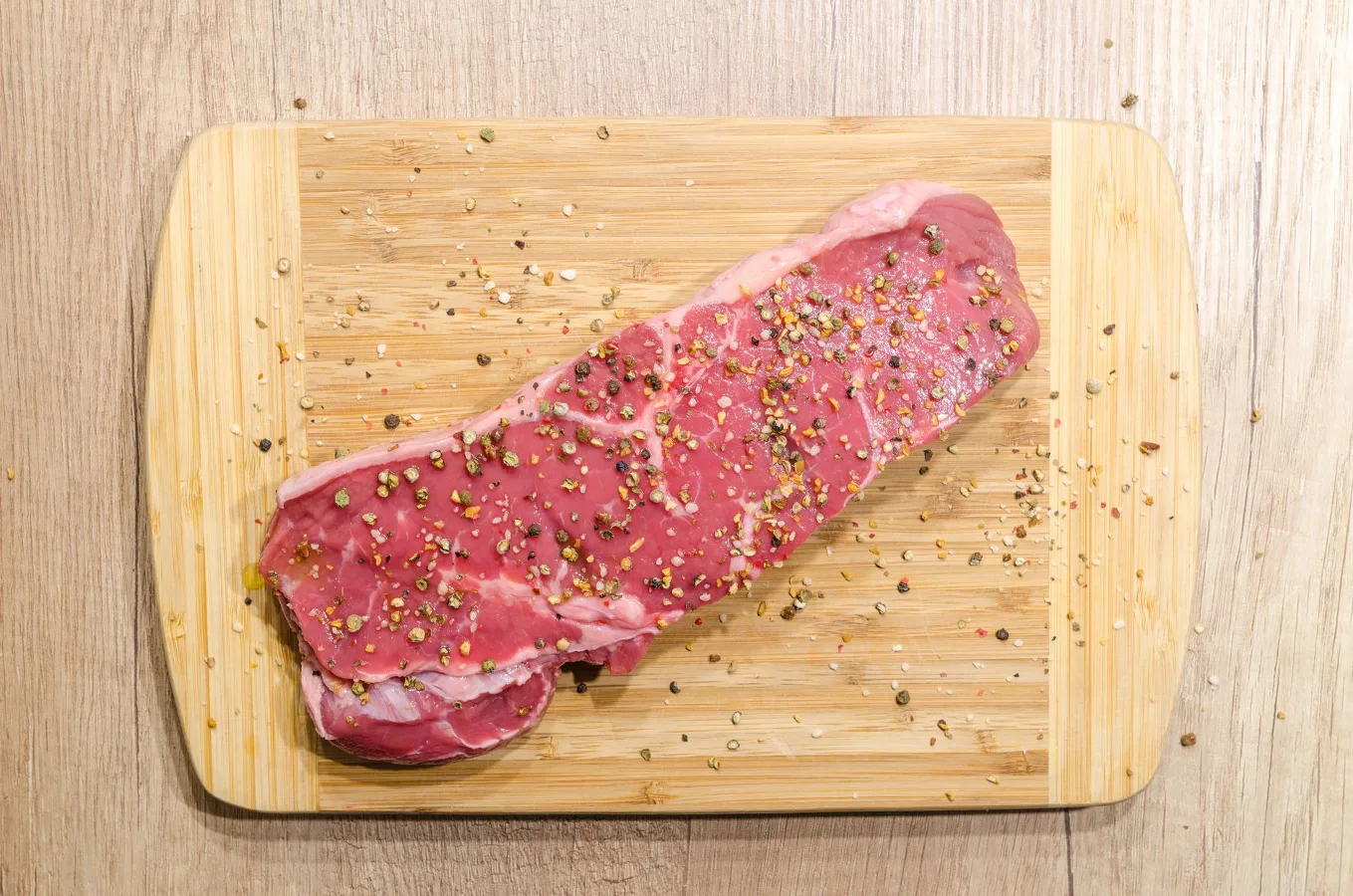
Cutting board feet are small supports attached to the bottom of a board to improve grip, add clearance, and keep the surface from sitting flat on the counter. For many home cooks, they are less about style than about control: a board that stays put, dries more evenly, and is less likely to scratch the countertop can make everyday prep feel easier and safer. cherry cutting board offers more detail on this point. guide to hinoki cutting board offers more detail on this point.
The best choice depends on what kind of board you own, how often you use it, and what problem you want to solve. Some feet are meant to prevent slipping. Others are mainly for airflow and moisture management. A few do both, but each option comes with trade-offs in height, cleaning, installation, and countertop contact. how to clean and dry cutting boards properly offers more detail on this point.
Why cutting board feet matter
At a glance, cutting board feet can seem like a small accessory. In practice, they affect several parts of board performance. A board that sits directly on a counter may hold moisture underneath, shift during chopping, or leave scratches on delicate surfaces. Raising it slightly can help with all three, but not every kitchen benefits from the same setup.
For wooden boards and butcher-block style boards, feet can be especially useful because wood needs good air circulation on both sides to dry evenly. That said, feet are not a cure-all. If a board is already warped, poorly sealed, or too thin for added hardware, feet can create new issues instead of solving old ones.
Key factors to weigh before buying
Stability on your countertop
One of the most common reasons people add feet is to keep the board from moving while chopping. The most helpful designs usually combine friction with a bit of lift. Rubber and silicone are often favored for this reason because they can grip both the board and the counter better than hard plastic or bare hardware.
Still, stability depends on the full setup, not just the feet. A lightweight board with aggressive chopping may slide more than a heavier board with modest feet. Countertop texture matters too. A slick stone or polished laminate surface can make low-friction feet feel less secure, while a slightly textured counter may grip better.
Moisture and airflow
Clearance underneath the board can help moisture evaporate, which is especially relevant for wood. That extra airflow may reduce the chance of trapped dampness under the board after washing or wiping. For boards that are stored flat on the counter, even a modest lift can make a practical difference in drying.
The overlooked nuance is that more clearance is not always better. Taller feet may improve airflow, but they also raise the working surface. For some cooks, that added height is welcome. For others, it makes knife work feel awkward or less stable, especially on a thinner board.
Countertop protection
If your counter scratches easily, feet can act as a buffer. They keep the board’s underside from dragging directly across the surface and can reduce wear from repeated lifting and repositioning. This is particularly useful with heavy boards that stay in one place for most prep tasks.
Just remember that feet themselves can be a source of marks if they are hard, loose, or poorly finished. A soft, non-marring material is usually a better fit for delicate surfaces than rigid hardware.
Board material and thickness
Not every board is a good candidate for feet. Thick wooden and butcher-block boards usually handle added hardware better than lightweight plastic boards or very thin bamboo boards. If the board is already narrow or prone to flexing, adding feet may shift its balance or create stress around the fasteners.
The material also affects long-term wear. Wood can usually accommodate screw-in hardware if installed carefully. Composite or laminated boards may be less forgiving. In those cases, adhesive feet or removable bumpers may be the safer option, depending on the board’s finish and how much weight it carries.
Cleaning and maintenance
Feet add surfaces, edges, and attachment points that need occasional cleaning. If you want a low-maintenance setup, simple silicone bumpers are easier to wipe down than complex hardware. Screw-in options may be more secure, but they can also collect grime if the board is used heavily and washed often.
For cooks who frequently move between raw proteins, vegetables, and baked goods, easy cleanup is not a minor detail. Any accessory that complicates washing or drying can become a liability if it traps residue or slows down sanitation.
Common types of cutting board feet
Rubber and silicone feet
These are among the most practical choices for everyday use. They are usually designed to grip the counter, resist sliding, and provide a small amount of lift. Their appeal is straightforward: they tend to be quiet, non-marring, and simple to maintain.
The limitation is that they vary widely in quality and size. Very small feet may not add enough clearance to help with drying, while larger ones may change the board height more than you want. If the feet are adhesive, long-term adhesion can also depend on surface prep and board finish.
Adhesive bumpers
Adhesive bumpers are a simple, low-commitment option for lighter boards or boards that only need a small amount of spacing. They can help reduce movement and keep the board off the counter, but they are usually less secure than mechanical attachments.
These are best treated as a convenience solution, not a heavy-duty upgrade. If the board sees frequent washing, heavy chopping, or exposure to moisture around the edges, adhesive feet may loosen over time.
Screw-in feet
Screw-in feet are often used when durability and stability matter more than simplicity. They are more firmly attached and less likely to slip off unexpectedly. For thick wooden boards, they can be a sensible long-term option.
The trade-off is permanence. Screw-in installation requires care, and the board needs enough thickness to support the hardware without splitting or weakening the bottom surface. These feet also make sense only if you are comfortable with a more finished, hardware-based look.
Edge bumpers and standoffs
Some boards use small bumpers or standoffs rather than large feet. These provide minimal lift and can help keep the board from sitting flat. They are useful when you want subtle support without noticeably changing board height.
That subtlety is also the downside. If your main goal is airflow under a thick wooden board, tiny bumpers may not lift it enough to matter. If your main goal is preventing slipping, they may work better on some counters than others.
Choosing the right feet for your use case
| Need | Best fit | Main trade-off |
|---|---|---|
| Prevent sliding during prep | Rubber or silicone feet | May raise the board more than expected |
| Improve drying under a wooden board | Feet with modest lift | Requires thoughtful cleaning and drying |
| Protect a delicate countertop | Soft non-marring feet | May wear faster than harder hardware |
| Support a heavy butcher-block board | Screw-in feet | More permanent and installation-sensitive |
| Keep changes minimal | Low-profile bumpers | Limited airflow and less grip |
A common misconception is that every board needs the same kind of foot. In reality, the right choice depends on the board’s weight, the counter surface, and how you prep food. A large butcher-block board used for daily chopping has different needs than a lightweight serving board that occasionally doubles as a prep surface.
Installation matters more than many shoppers expect
Even good feet can perform poorly if installed badly. Adhesive feet need a clean, dry surface. Screw-in feet need proper placement so the board sits evenly and does not rock. If one foot is slightly higher than the others, the board can wobble, which defeats the purpose.
Placement also affects balance. Feet set too close to the edge may make the board feel unstable. Feet set too far inward may reduce the lifting effect. If your board is especially long or heavy, even spacing becomes more important.
Another practical issue is reversibility. If you use one side of the board for chopping and the other for serving, feet may make one side more convenient but less versatile. That is not necessarily a deal-breaker, but it is worth thinking through before attaching anything permanently.
When cutting board feet are not the best solution
Sometimes the better answer is not adding feet at all. If a board is warping, swelling, or cracking, the real issue may be the board’s construction or care routine. Feet can help with drying, but they cannot fix poor sealing, repeated soaking, or storage in a humid environment.
Likewise, if your main concern is movement during prep, a damp towel, shelf liner, or dedicated anti-slip mat may be more practical than modifying the board itself. These alternatives are especially useful if you share the board among different tasks or want to keep it easy to store.
If your counter is uneven, feet may not solve the problem cleanly. A board can still rock if the surface underneath is not level, and a rocking board is one of the least desirable outcomes in a prep area. In that case, a separate stable mat or a different board style may be the better fix.
Best-use guidance for different kitchen setups
For wooden boards
Feet are often most useful on wooden boards because they support airflow and help the board dry more evenly. Choose a material that will not mar the counter and make sure the board still feels stable when pressure is applied during chopping.
For butcher-block boards
Heavier boards can benefit from sturdier, more permanent feet. These boards are often left in one place, so long-term stability and countertop protection may matter more than portability.
For lightweight prep boards
Light boards may not need feet at all. If they do, a low-profile non-slip option is usually enough. Excess height can make a lightweight board feel less controlled.
For multi-use boards
If the board is used for both prep and presentation, look for feet that do not dominate the design or make the board awkward to carry. In that case, subtle bumpers may be a better compromise than larger supports.
Common mistakes to avoid
- Choosing feet only for appearance and not for function.
- Adding permanent hardware to a board that is too thin to support it.
- Using hard feet on a delicate countertop that scratches easily.
- Expecting feet to fix an already warped or damaged board.
- Ignoring how much the extra height changes knife comfort.
- Installing adhesive feet on a damp or oily surface.
- Forgetting that raised boards still need thorough drying and cleaning.
How to think about value over time
The best cutting board feet are not necessarily the most substantial or the most expensive-looking. They are the ones that solve a real problem without creating a new one. A well-chosen set of feet can extend the usefulness of a favorite board, improve daily handling, and make cleanup easier. A poor choice can make the board feel unstable, awkward, or harder to maintain.
That is why the decision should start with the board itself. If the material is sound and the board is worth keeping, feet can be a smart upgrade. If the board is already compromised, accessories may only delay the inevitable replacement.
For many shoppers, the most practical approach is to match the foot style to the board’s role: soft, low-profile options for light everyday use; sturdier, more permanent supports for heavy wooden boards; and no modification at all if the board already performs well on its own. That kind of restraint often leads to a more useful kitchen setup than chasing the biggest or most complicated hardware.